
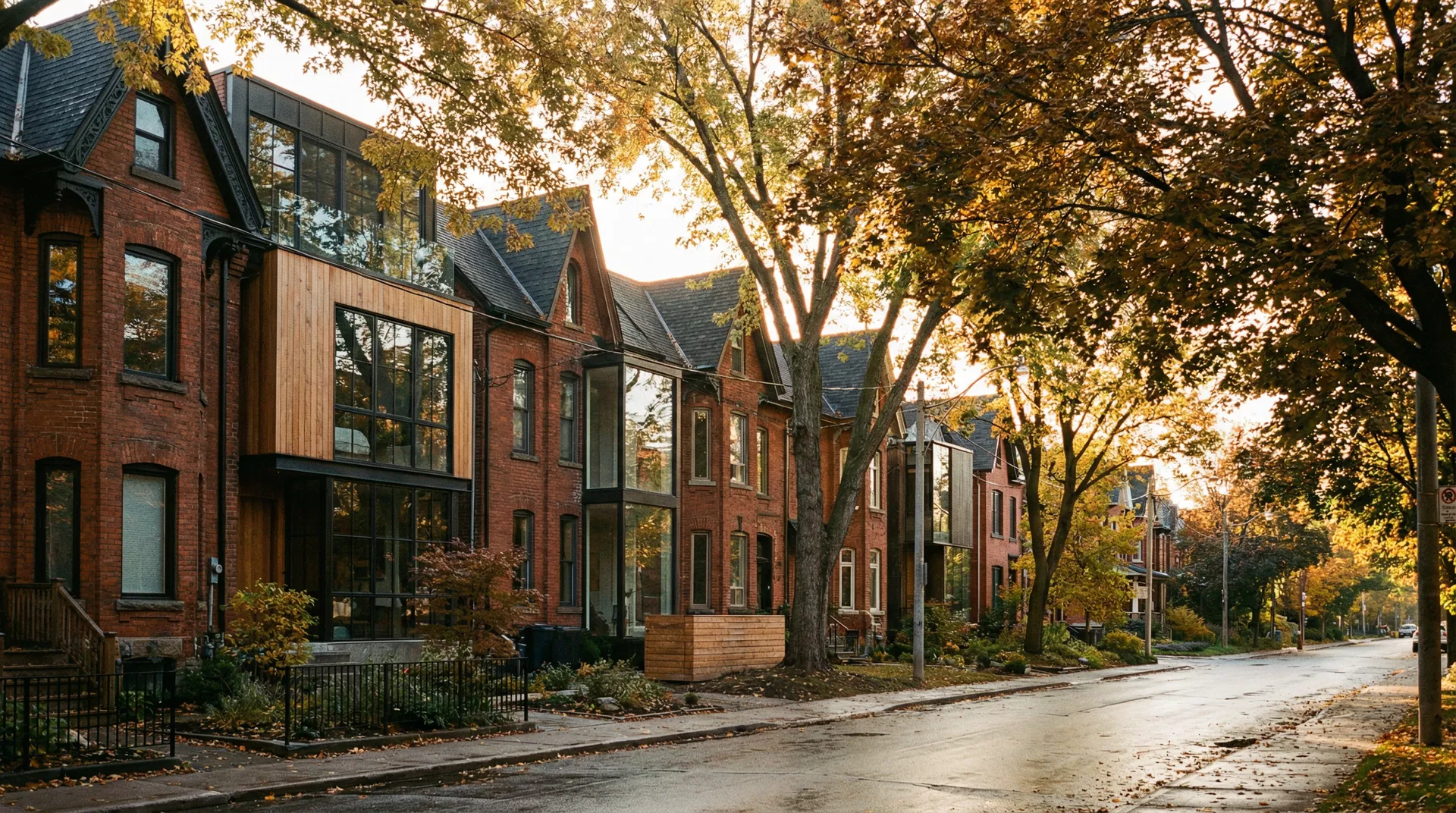
Toronto Short-Term Rental Management Experts
Navigate Toronto’s complex STR regulations with confidence. We know the rules, the market, and the neighborhoods.
Toronto STR Regulations Overview
Toronto has specific rules governing short-term rentals. Understanding these regulations is the first step to running a compliant and profitable operation.
Registration & Licensing
All short-term rental operators in Toronto must register with the City of Toronto and obtain an STR operator number. This registration must be renewed annually and displayed on all listing platforms.
- Municipal registration required
- STR operator number must be displayed
- Annual renewal required
- Municipal Accommodation Tax (MAT) applies
Primary Residence Rule
In Toronto, you can only operate a short-term rental in your principal residence. This means the home where you ordinarily reside and receive mail. You may rent your entire home while you’re away, or rent out up to three bedrooms while you’re present.
Condo-Specific Rules
Condo buildings in Toronto may have their own bylaws regarding short-term rentals. Some buildings prohibit STRs entirely, while others have specific restrictions.
Important: Always check your condo corporation’s declaration and bylaws before listing your unit. We can help you navigate this process.
Night Limit
When renting your entire principal residence, Toronto limits short-term rentals to a maximum of 180 nights per year. There is no night limit when renting individual rooms while you remain in the home.
Seasonal Trends in Toronto
Toronto’s short-term rental market follows distinct seasonal patterns. Understanding these trends is key to maximizing your revenue.
Spring
Mar – MayTourism picks up with warmer weather. Corporate travel increases. Average occupancy: 65-80%.
Summer
Jun – AugHighest demand period. TIFF, Pride, and summer festivals drive premium rates. Average occupancy: 80-90%.
Fall
Sep – NovTIFF in September, fall foliage tourism, and business travel keep demand strong. Average occupancy: 70-85%.
Winter
Dec – FebHoliday season brings short spikes. Steady corporate travel. Average occupancy: 55-70%.
The above ranges are typical estimates based on historical market data and are for reference only. Actual occupancy rates are influenced by listing location, pricing strategy, property condition, and market fluctuations.
Typical Revenue Ranges in Toronto
Revenue varies based on property type, location, and seasonality.
Downtown Toronto
Studio / 1-Bed Condo
$2,500 – $4,000per month*
Downtown / Midtown
2-Bed Condo
$3,500 – $5,500per month*
GTA / Waterfront
Detached House
$5,000 – $8,000per month*
*Revenue estimates are based on historical data and are not guaranteed. Actual results may vary based on market conditions, property quality, and seasonal demand.
Not Sure If Your Property Qualifies?
Our team will review your property’s eligibility, check condo bylaws, and provide a personalized revenue estimate — completely free.
Check If My Property Qualifies